Scope
Pumps and valves determine where process liquid moves. Their condition also affects cleaning routes, transfer observations and operator confidence. Inspection begins with the complete assembly, not a single replacement part.
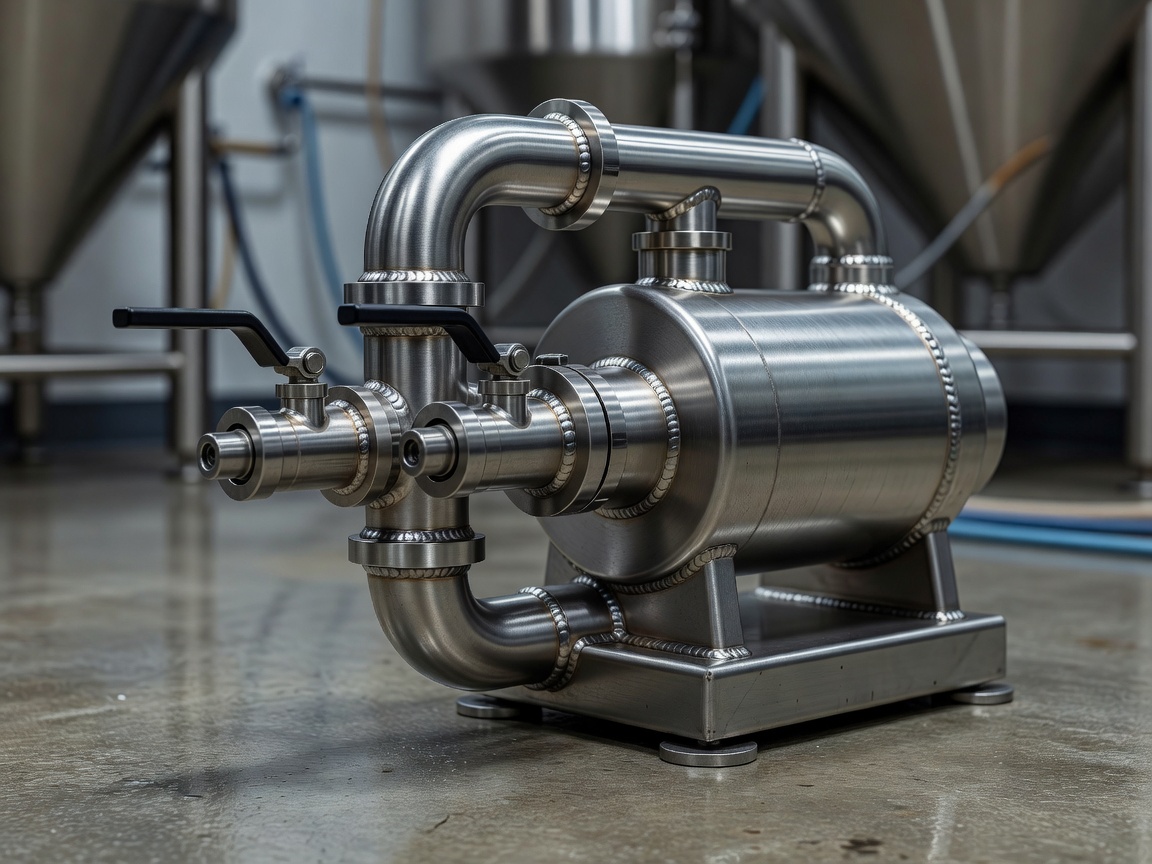
The scope can include centrifugal pumps, positive-displacement pumps, manual valves, actuated valves, check valves, hoses, clamps, gaskets and nearby instruments. Actual compatibility depends on the equipment design, process duty and manufacturer requirements.
Equipment involved
- Product, water, glycol and CIP pumps.
- Butterfly, ball, diaphragm and other process valves.
- Actuators, position feedback and control interfaces.
- Mechanical seals, gaskets, clamps and flexible connections.
- Inlet, outlet, drain and return pipework.
Inspection workflow
- Identify. Match the assembly to the line, asset record and process duty.
- Observe. Check accessible condition, noise indicators, vibration signs, leaks, supports and guards.
- Operate safely. Functional checks must follow isolation, product and site-control requirements.
- Record. Capture wear indicators, connection concerns and recommended next action.
Inspection points
Look at seal areas, clamp faces, valve stems, actuator mounts, hose bends, supports and drain points. Check for residue, external leakage, damaged insulation, unusual movement or evidence of repeated adjustment. A valve that moves is not automatically a valve that seals or reports position correctly.
Common concerns
Observed poor flow may relate to pump condition, suction conditions, valve position, air entry, restriction or control logic. Seal wear can be gradual. Loose supports can transfer vibration. Incorrectly identified hoses and connections create process risk. Investigate the route before selecting a part.
Advantages and limitations
A focused review creates better information for planned repair and parts identification. It can connect repeated observations across several lines. It does not provide a pump performance test, electrical test, pressure test or certification unless separately scoped and completed by qualified personnel.
Planning considerations
Plan around isolation, product status, chemical exposure and access. Service intervals depend on duty, fluid, cleaning conditions, design, manufacturer requirements and site history. Keep seal, gasket and actuator information with the asset record. Follow manufacturer documentation for disassembly.
Good for
Sites with recurring leaks, uncertain valve status, transfer complaints, mixed pump types or incomplete flow-control records.
What to know
Small parts can control a large process route. Record them. A missing clamp, damaged gasket or unclear actuator position deserves the same documentation discipline as a major pump.
Related services
See brewhouse maintenance for wort systems and CIP service for cleaning pumps and valves.